What Is Shapewear?
Shapewear is a type of close-fitting undergarment designed to smooth the body's silhouette under clothing. It is commonly worn to create a more streamlined appearance around areas such as the waist, abdomen, hips, thighs, and back.
Today, shapewear comes in many styles, from lightweight shaping shorts and high-waisted briefs to full-body bodysuits and waist-shaping garments. Different designs offer different levels of coverage, support, and compression, making it easier to find an option for everyday outfits, formal occasions, or specific styling needs.
For first-time buyers, choosing shapewear can feel confusing. Which style should you choose? What fabric is best? Should you select light or firm compression?
This guide explains the basics of shapewear, the most common product types, and the key factors to consider before making your first purchase.
1. How Does Shapewear Work?
Shapewear uses stretch fabrics, garment construction, and varying levels of compression to help smooth the body's outline beneath clothing.
Many shaping garments incorporate materials such as nylon and elastane (also known as spandex) to provide stretch and recovery. Some designs use targeted compression panels, reinforced waistbands, or different fabric zones to provide support in specific areas.
The result depends on the garment's design, fabric, fit, and compression level.
For example:
Waist-shaping garments focus on the waist and abdominal area.
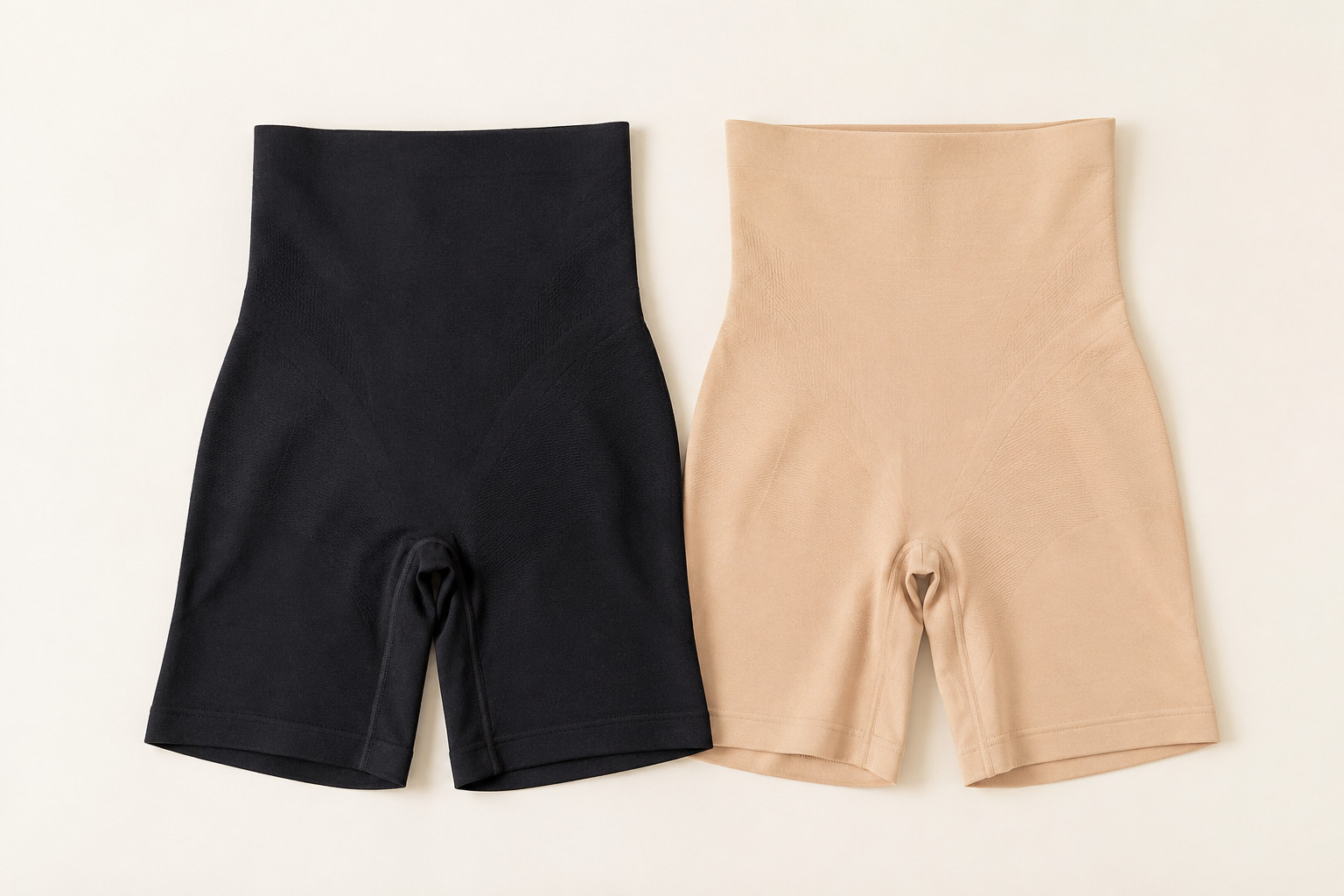
High-waisted shaping shorts smooth the waist, hips, and upper thighs.
Shaping bodysuits provide more comprehensive coverage across the torso.
Shaping briefs offer lighter coverage around the lower abdomen and hips.
It is important to understand that shapewear creates a temporary change in appearance while it is being worn. It does not permanently reduce body fat or change body shape.
The best shapewear should complement your natural figure while allowing you to move, sit, and breathe comfortably.
2. What Are the Different Types of Shapewear?
Choosing the right shapewear starts with understanding what each design is intended to do. Here are some of the most common options for beginners.
High-Waisted Shaping Shorts
These garments typically cover the waist, abdomen, hips, and part of the thighs. They are a popular option under dresses, skirts, and fitted trousers.
Best for: Smoothing the waist and hips while reducing visible lines under clothing.
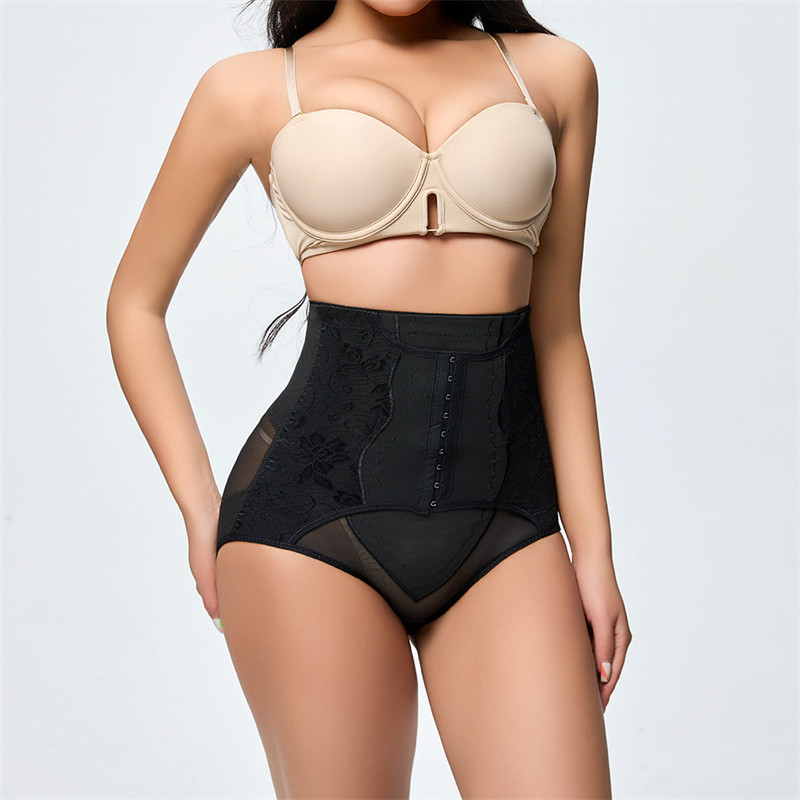
Waist Shapers and Waist Cinchers
Designed primarily around the midsection, these garments may feature elastic panels, hook-and-eye closures, or adjustable fastening systems.
Best for: Providing a more defined-looking waist under selected outfits.
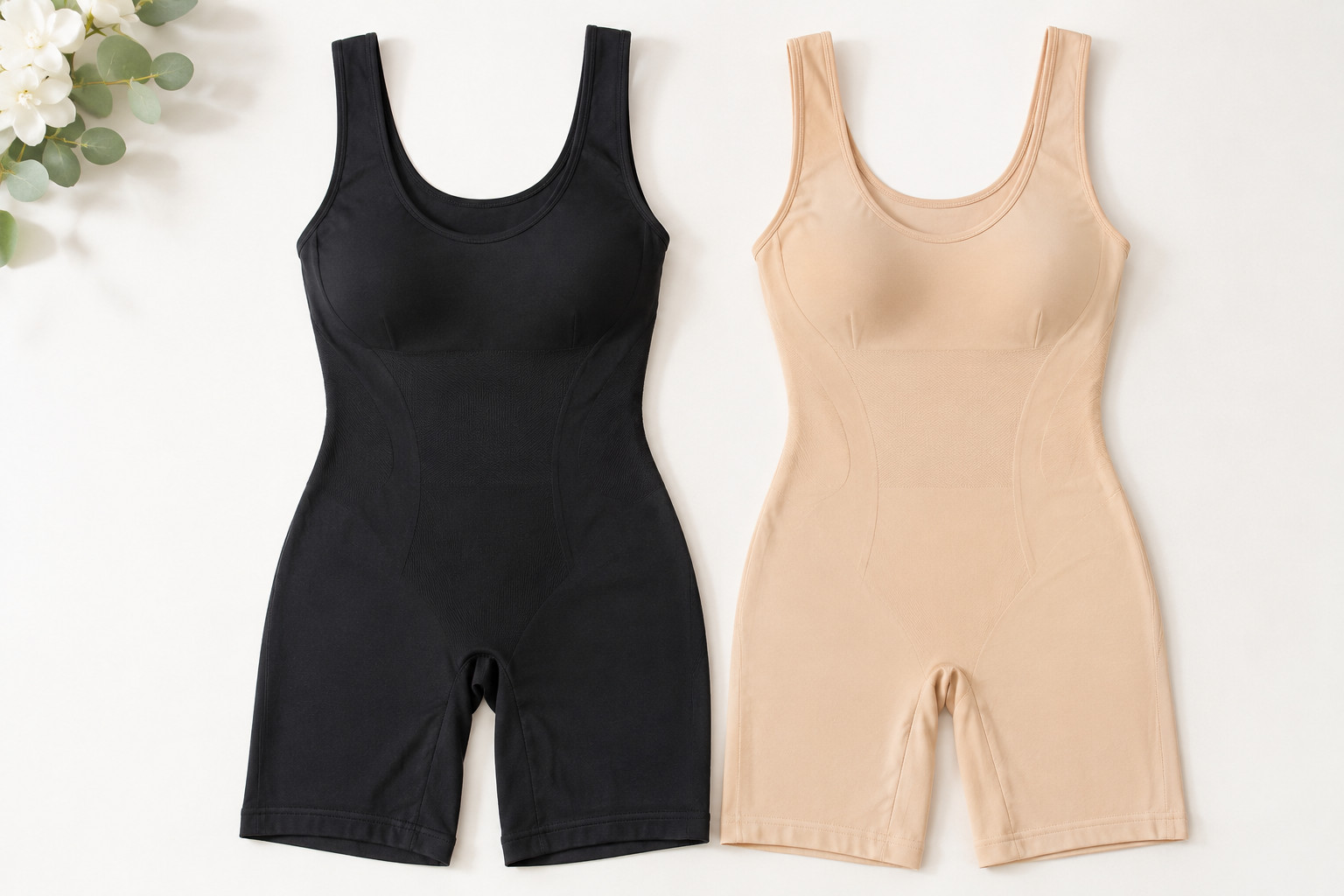
Shapewear Bodysuits
Bodysuits combine upper-body coverage with shaping support through the torso. Depending on the design, they may include adjustable straps, built-in bust support, or different neckline options.
Best for: Creating a smooth silhouette beneath dresses, jumpsuits, and fitted tops.
Shaping Briefs
Shaping briefs generally focus on the lower abdomen, waist, and hip area while offering less coverage than shorts or bodysuits.
Best for: Everyday outfits when a simple, lightweight shaping layer is preferred.
Full-Body Shapewear
These garments cover multiple areas of the body in one piece. Depending on their construction, they can combine torso shaping with hip, thigh, and back coverage.
Best for: Outfits that benefit from a more continuous, streamlined silhouette.
Each style serves a different purpose. Before buying, consider which areas you want to smooth, the clothes you plan to wear, and how much coverage you prefer.
3. How to Choose the Right Compression Level
Shapewear is available in different compression levels. More compression is not automatically better; the right choice depends on your intended use and comfort preferences.
| Compression level | Main characteristics | Suitable occasions |
| Light control | Gentle smoothing and flexible comfort | Everyday wear and longer periods of use |
| Medium control | More noticeable shaping with balanced support | Workwear, fitted dresses, and social occasions |
| Firm control | Stronger compression and more structured shaping | Special occasions and outfits requiring more defined shaping |
These categories are general descriptions, and compression can vary between brands and garment designs.
For first-time buyers, light or medium control is often a sensible starting point. If you prefer firm control, pay particular attention to the sizing guide and garment construction.
Shapewear should feel supportive, not painful. Difficulty breathing, numbness, tingling, significant discomfort, or persistent skin irritation are signs that you should remove the garment and reassess the fit. Choose a larger size or a different design if necessary.
4. What Fabric Is Best for Shapewear?
Fabric plays an important role in the comfort, flexibility, durability, and shaping performance of a garment. Understanding common materials can help buyers make more informed choices.
Nylon and Spandex
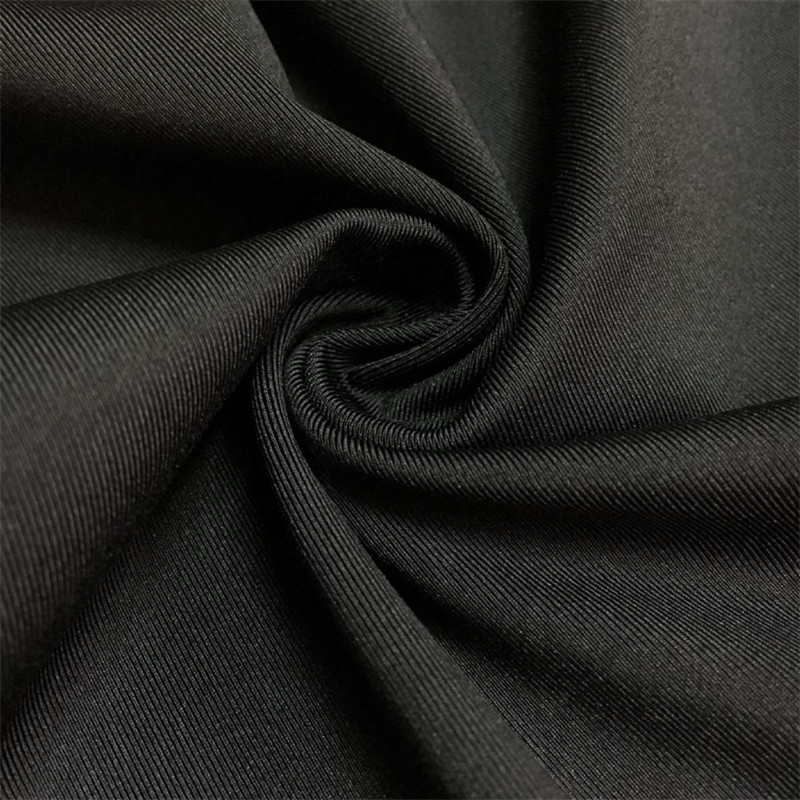
This combination is widely used in stretch garments. Nylon contributes strength and a smooth feel, while spandex provides elasticity and helps the fabric recover after stretching.
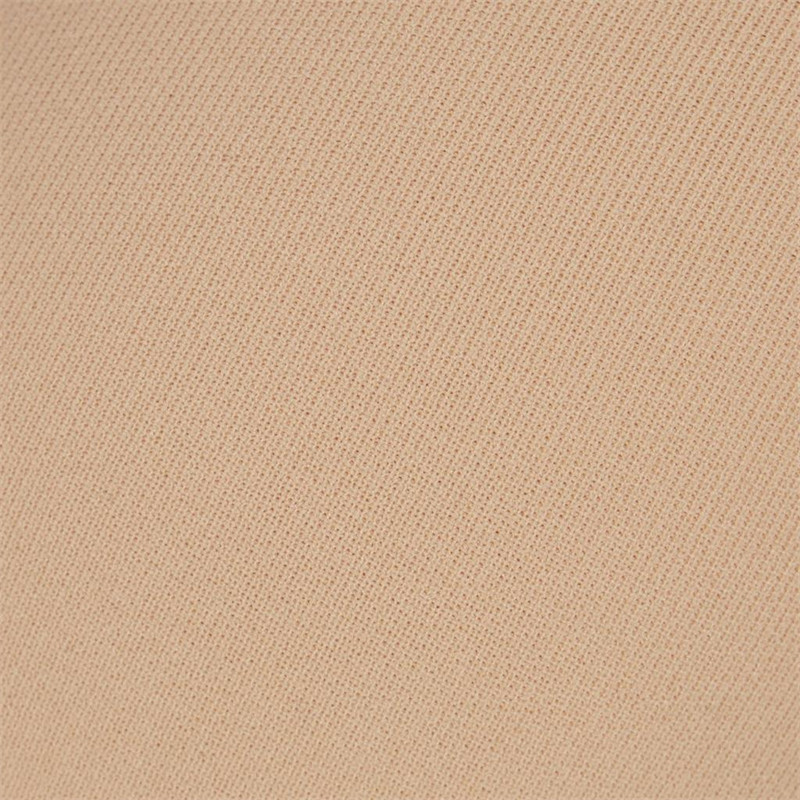
Seamless Stretch Fabrics
Seamless or low-seam constructions can help reduce visible lines beneath clothing. Their performance depends on knitting structure, fabric thickness, garment edges, and fit.
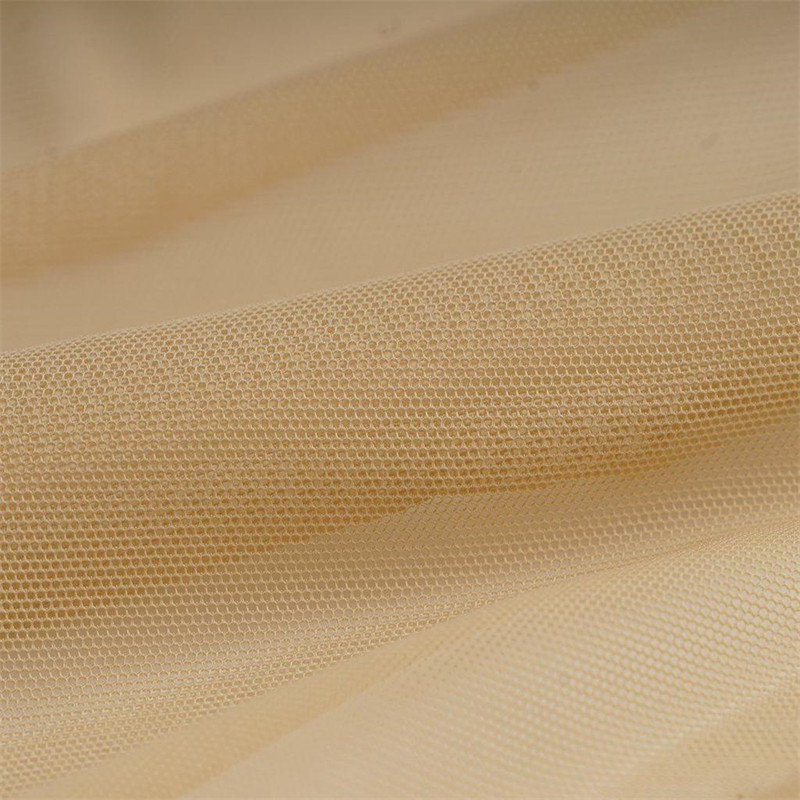
Mesh and Breathable Panels
Selected designs incorporate mesh or lighter fabric panels in areas where additional ventilation or a different level of flexibility is desired.
There is no single fabric that is best for every shapewear product. A lightweight everyday garment may prioritize softness and flexibility, while a firm-control design may require a different fabric weight, stretch ratio, or panel construction.
For brands and wholesale buyers, evaluating fabric composition, stretch recovery, opacity, seam quality, and wash performance can help determine whether a product meets the intended market requirements.
5. How to Choose the Right Shapewear Size
Choosing the correct size is one of the most important steps when buying shapewear for the first time.
A garment that is too small may roll down, dig into the skin, or create unwanted bulges. A garment that is too large may not provide the intended level of support.
Follow these practical steps:
1.Take your measurements. Measure the waist, hips, and any additional areas specified in the product's size chart.
2.Check the brand's sizing guide. Shapewear sizing can differ from standard clothing sizes, so do not rely on your usual dress or jeans size alone.
3.Consider the garment design. Bodysuits, shaping shorts, and waist cinchers may use different measurement ranges.
4.Choose comfort over excessive compression. Do not automatically size down to achieve a stronger shaping effect.
5.Check the fit when moving. You should be able to sit, walk, and breathe normally without painful pressure or restricted movement.
If your measurements fall between two sizes, follow the manufacturer's specific sizing recommendations. Depending on the garment's design and your comfort preferences, the larger size may be the more comfortable option.
6. How to Wear Shapewear Comfortably
The right wearing technique can make shapewear easier to use and more comfortable throughout the day.
Start with clean, dry skin. This can help reduce friction and irritation. Make sure the garment is clean and fully dry before wearing it.
Put the garment on gradually. Step into shorts or briefs carefully, or follow the manufacturer's instructions for bodysuits and waist shapers. Distribute the fabric evenly instead of pulling forcefully on one section.
Smooth out folds and twisted panels. Adjust the garment so that seams, waistbands, and shaping panels sit in their intended positions.
Choose the right underwear arrangement. Depending on the garment design, you may wear it over or instead of underwear. Follow the product instructions and prioritize hygiene and comfort.
Begin with a shorter wearing period. This gives you time to assess how the garment feels during normal activities. Remove it if you experience pain, numbness, tingling, breathing difficulty, or skin irritation.
Shapewear is not intended to be painfully tight, and sleeping in ordinary shaping garments is generally best avoided unless a healthcare professional has specifically advised otherwise for a particular medical garment.
7. How to Choose Shapewear for Different Outfits
The outfit you plan to wear is another useful starting point when choosing shapewear.
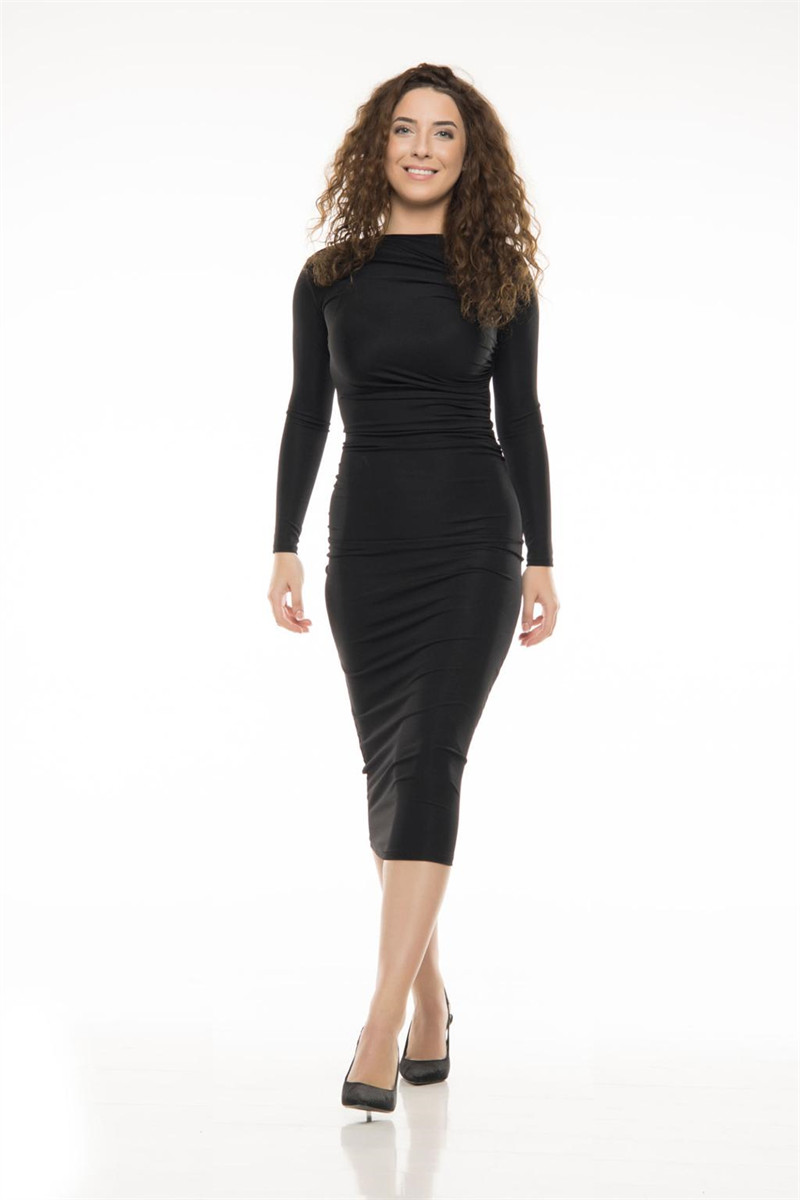
For Fitted Dresses
Consider a shaping bodysuit or high-waisted shorts with smooth edges. Check the neckline, leg openings, and garment length to avoid visible lines.
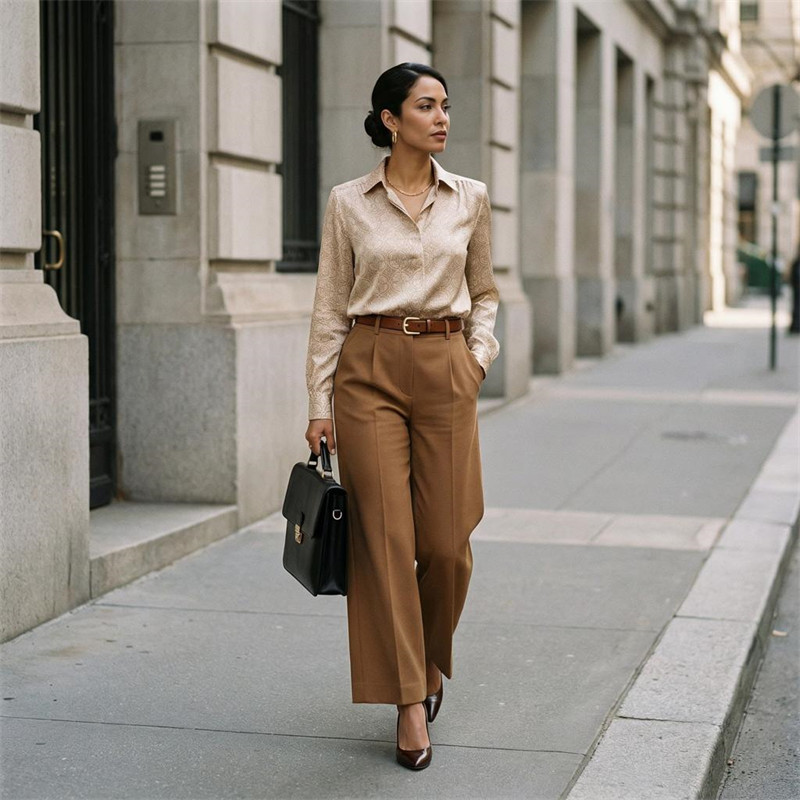
For Office Wear
Lightweight briefs or medium-control shaping shorts may work well under trousers and skirts, depending on the fabric and fit of the outer garment.
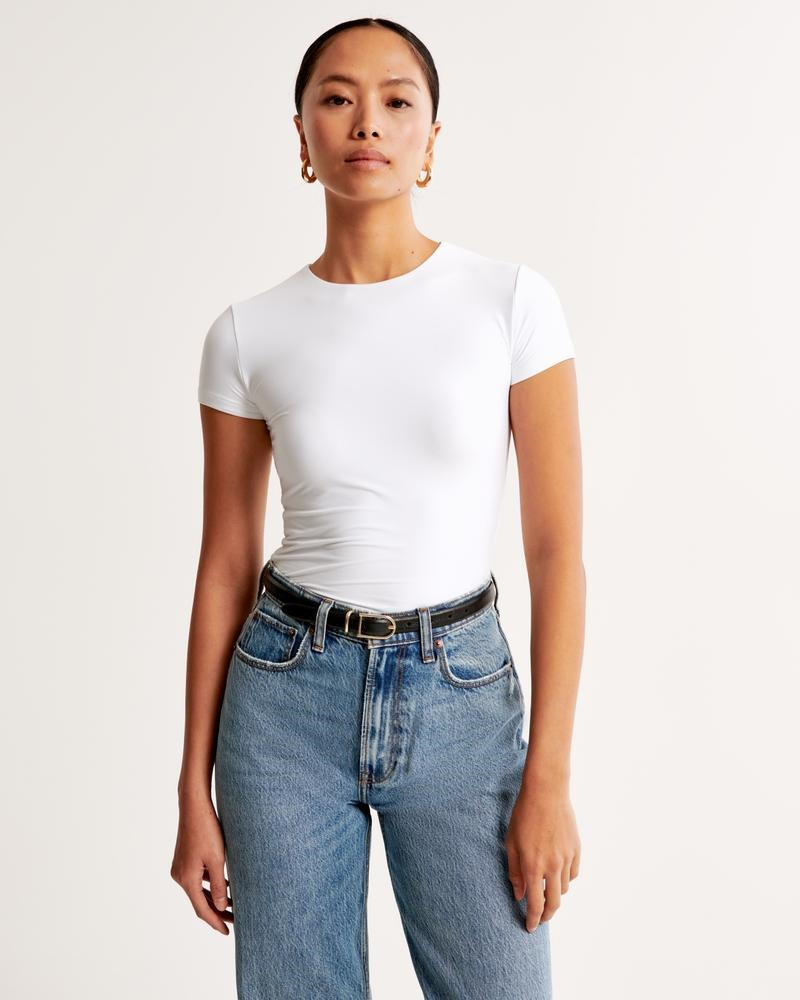
For Everyday Casual Wear
Flexible shaping briefs or shorts can provide gentle smoothing under jeans, skirts, and everyday outfits.
For the most discreet appearance, consider the color of the garment, its seam placement, fabric thickness, and the transparency of the clothing worn over it.
8. How to Care for Your Shapewear
Proper care helps maintain the garment's appearance and elasticity.
Read the care label before washing.
Use the recommended water temperature and washing method.
Use a laundry bag if machine washing is permitted by the manufacturer.
Avoid bleach and high heat unless the care instructions specifically allow them.
Air-dry the garment when recommended.
Avoid excessive pulling or twisting, which may damage elastic fibers and seams.
Because shapewear often contains stretch fibers, following the care instructions is particularly important for preserving its fit and recovery.
For retailers and private-label brands, clear care instructions can also help customers use and maintain their garments correctly.
9. Common Shapewear Mistakes First-Time Buyers Should Avoid
Even a well-designed garment may disappoint if it does not match the wearer's needs. Here are several common mistakes to avoid.
Choosing a smaller size for stronger shaping. A smaller garment is not necessarily more effective and may create discomfort or unwanted lines.
Ignoring the outer outfit. A style that works under trousers may not suit a backless dress or a garment with a high slit.
Focusing only on compression. Fabric softness, breathability, construction, edge finishing, and freedom of movement also matter.
Expecting permanent body changes. Shapewear temporarily changes the appearance of the silhouette while worn; it does not permanently reshape the body.
Ignoring discomfort. Pain, numbness, tingling, or persistent irritation should not be treated as normal signs of effective shaping.
A successful first purchase is one that meets your styling needs without compromising comfort.
10. Frequently Asked Questions About Shapewear
What is shapewear used for?
Shapewear is worn beneath clothing to smooth the body's silhouette and provide varying levels of shaping support around areas such as the waist, abdomen, hips, and thighs.
Is shapewear suitable for everyday wear?
Many garments are designed for everyday use. Choose a suitable size and compression level, follow the care instructions, and remove the garment if it causes discomfort or irritation.
Should I buy my usual clothing size?
Not necessarily. Always consult the specific brand's size chart and use your body measurements to select the most appropriate size.
Is seamless shapewear better than regular shapewear?
Neither is universally better. Seamless designs can help reduce visible lines, while other constructions may offer different levels of support, structure, or design flexibility. The best option depends on your outfit and personal preferences.
Can shapewear help clothes fit more smoothly?
Yes. Properly fitted shapewear can help smooth the outline beneath clothing. The result depends on the garment, its construction, the outer fabric, and the fit.
What should I look for when buying shapewear for the first time?
Start with the area you want to smooth, the outfit you plan to wear, and your preferred compression level. Then compare sizing, fabric composition, garment construction, and care requirements.
Conclusion: Find the Shapewear That Works for You
Shapewear offers a range of options for people who want a smoother silhouette beneath everyday clothing or special-occasion outfits. From lightweight shaping briefs to firm-control bodysuits, each design has its own purpose.
For first-time buyers, the most important considerations are the right size, suitable compression, comfortable fabric, and a design that matches the intended outfit. Instead of choosing the tightest garment available, focus on finding one that balances shaping performance with comfort and freedom of movement.
For fashion brands, retailers, and wholesale buyers, understanding these product differences is equally important when selecting a shapewear collection that meets customer expectations.
Looking for shapewear products for your business? Explore our shapewear collection to discover available styles, materials, and product options. For wholesale inquiries, private-label projects, or OEM/ODM customization, contact our team to discuss your product requirements.

 EN